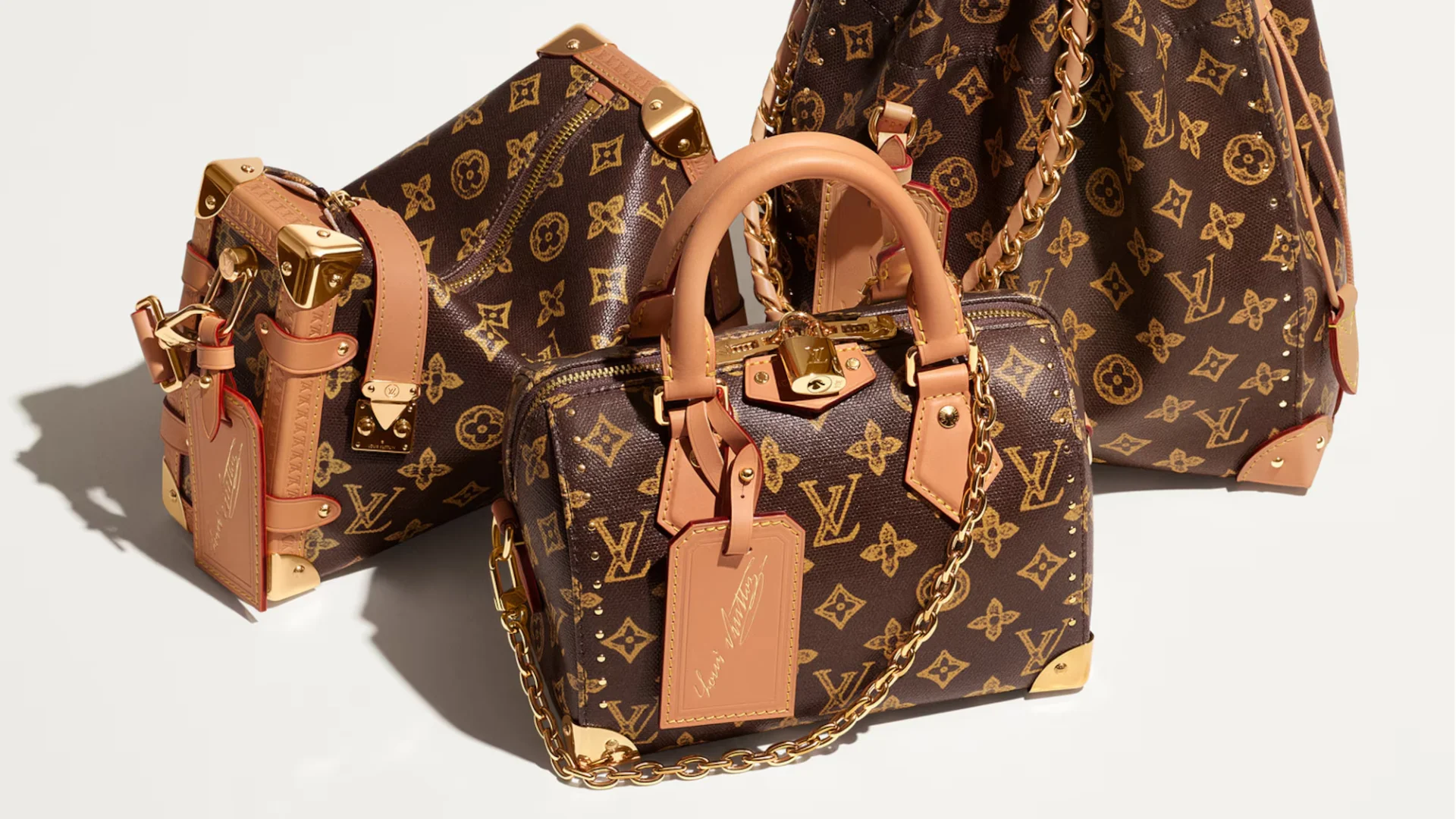
Few fashion symbols are as instantly recognizable as Le Monogram by Louis Vuitton. In 2026, the iconic pattern celebrates its 130th anniversary, marking more than a century of luxury, craftsmanship, and cultural relevance. From elegant travel trunks to contemporary handbags and fashion statements, Le Monogram has achieved something rare: remaining timeless while continuously evolving.
The Origins of the Louis Vuitton Monogram
The story of Le Monogram began in 1896, when it was created by Georges Vuitton, son of the brand’s founder Louis Vuitton. Its purpose went beyond decoration. At a time when counterfeiting was already a serious issue, the monogram served as a protective signature, making Louis Vuitton products instantly identifiable and difficult to copy.
The design combined four distinctive elements — the LV initials, quatrefoils, flowers, and diamonds — arranged into a pattern that was both elegant and unmistakable. Printed on durable canvas, it was perfectly suited for travel, which lay at the heart of the Louis Vuitton identity.
From Travel Trunks to a Global Fashion Icon
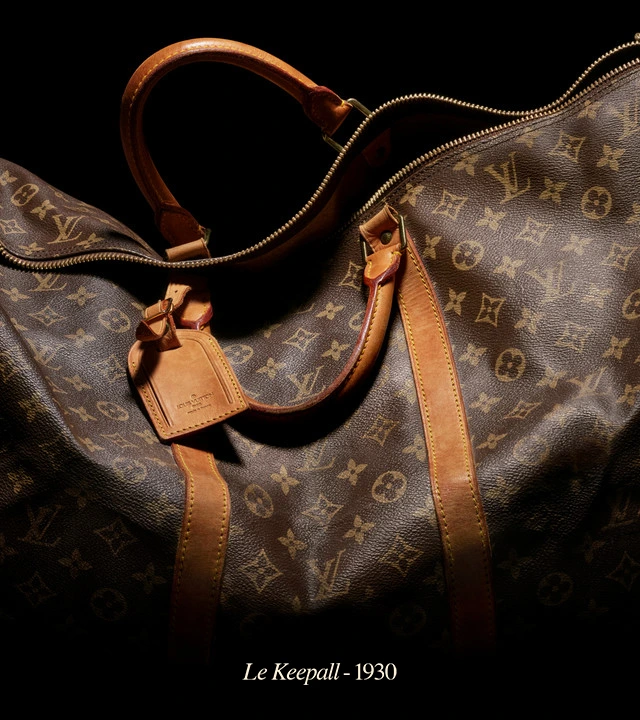
Originally, the monogram appeared on travel trunks, luggage and storage cases and bags designed for long journeys by train or ship.
As the 20th century unfolded, Le Monogram moved beyond travel and into everyday life. It became a status symbol embraced by aristocracy, artists, and Hollywood icons, eventually transforming into a global emblem of luxury.
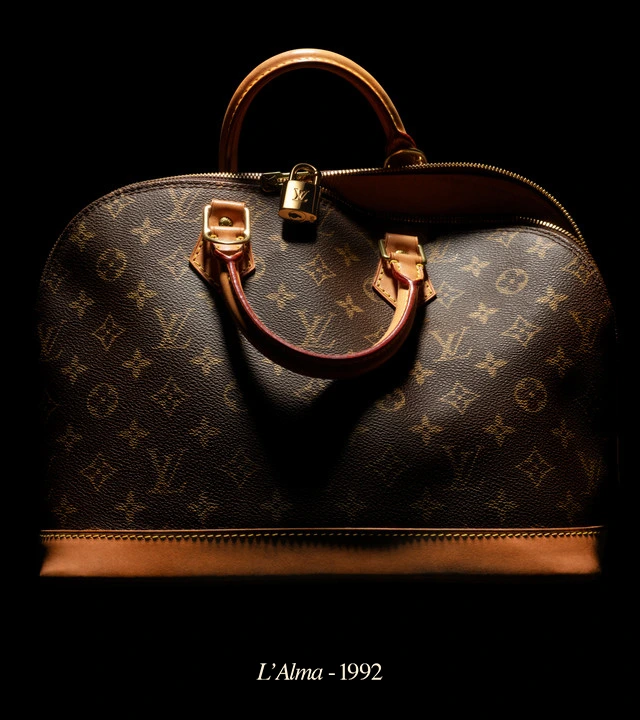
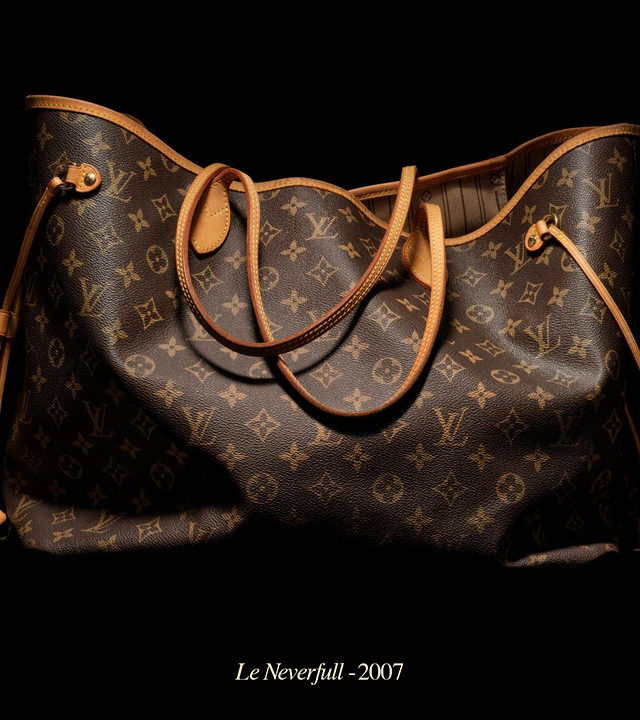
Today, the monogram appears on iconic handbags such as Speedy, Neverfull, and Alma, wallets and small leather goods, footwear and ready-to-wear collections and limited-edition artistic releases.
Le Monogram Today: Tradition Meets Modern Design
Far from being a relic of the past, Le Monogram continues to evolve. Over the decades, Louis Vuitton has reimagined the pattern through bold color variations, oversized and deconstructed motifs, metallic and quilted finishes and unexpected material pairings, including denim and technical fabrics.
Rather than limiting creativity, the monogram has become a canvas for innovation.
Iconic Artistic Collaborations That Redefined the Monogram
One of the key reasons Le Monogram remains culturally relevant is its history of groundbreaking collaborations with artists and designers, including:
Stephen Sprouse – introducing graffiti lettering that disrupted traditional luxury codes
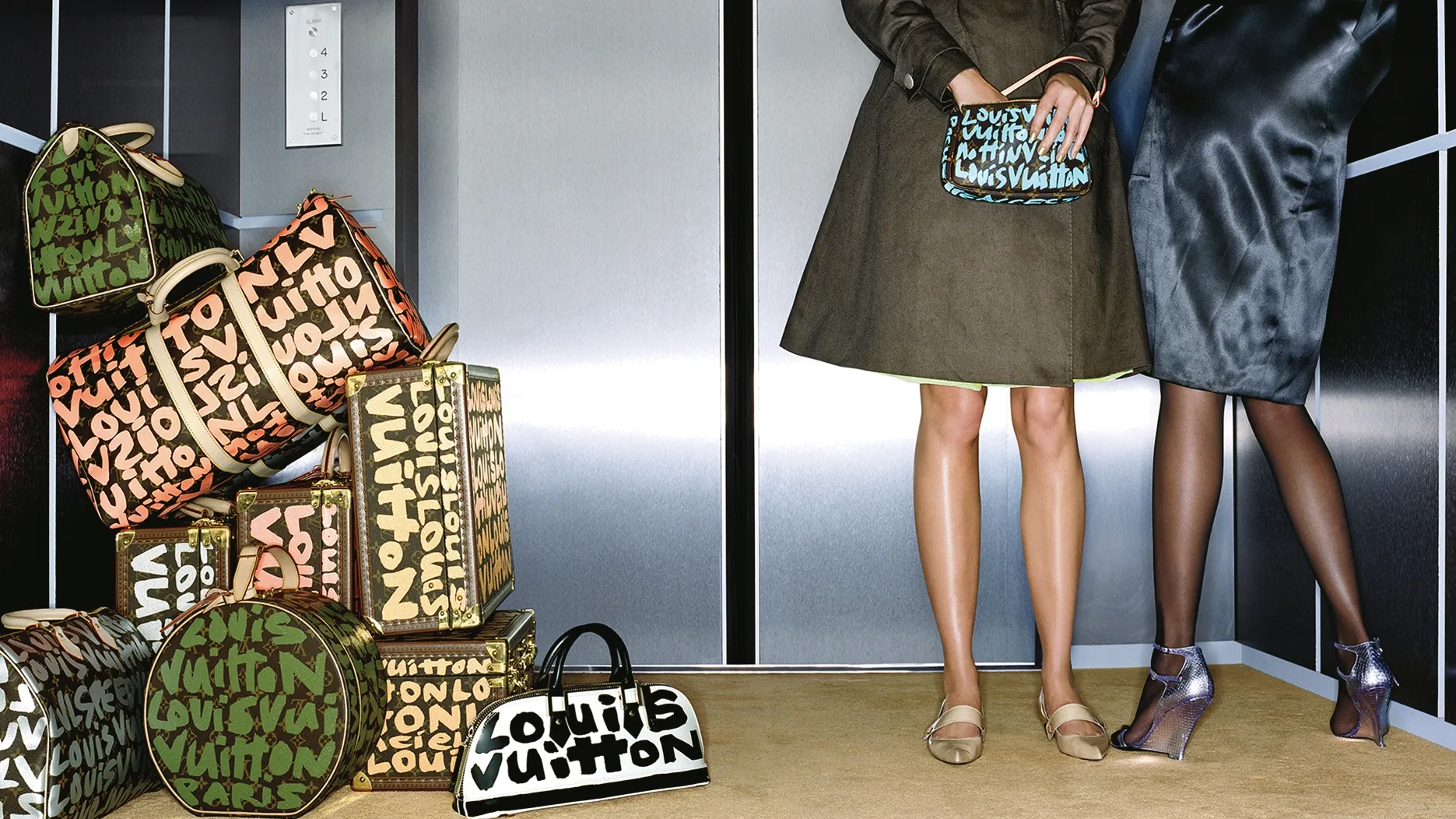
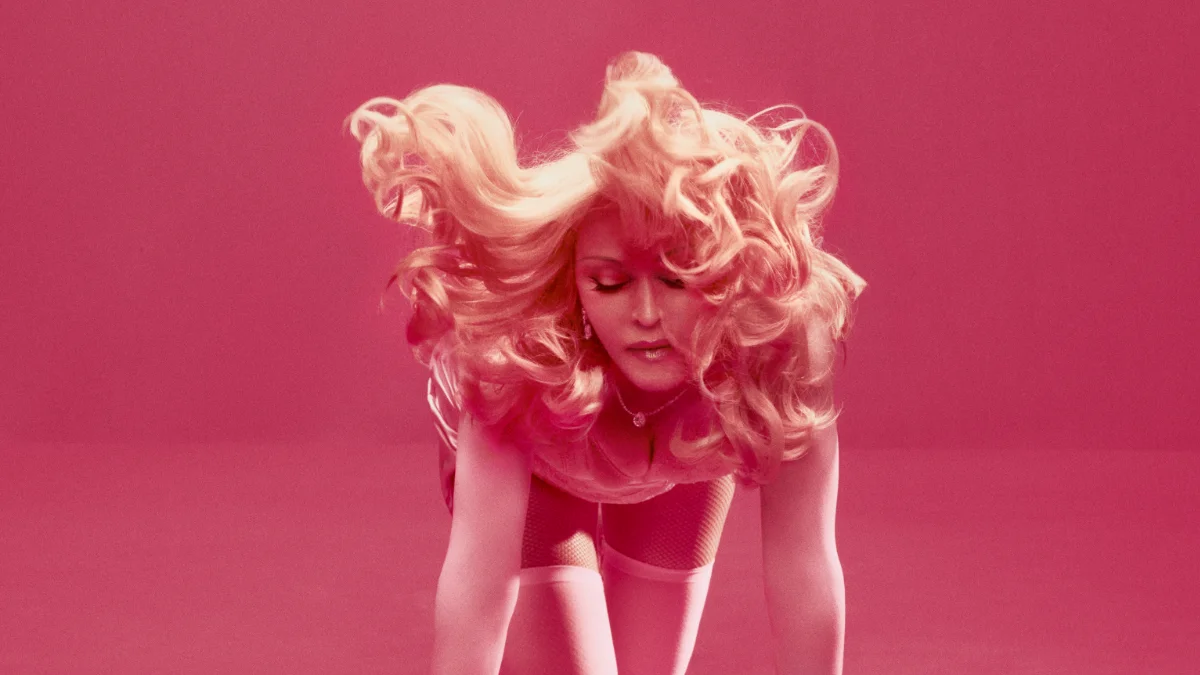
Photo by Raymond Meier, Vogue, March 2001
Takashi Murakami – creating the now-legendary multicolor monogram
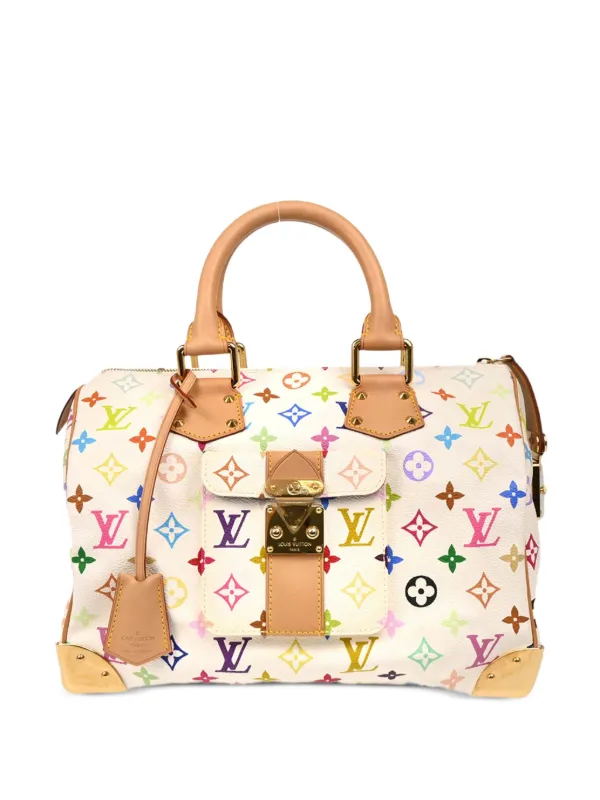
Virgil Abloh – bringing a modern, streetwear-driven perspective to the house
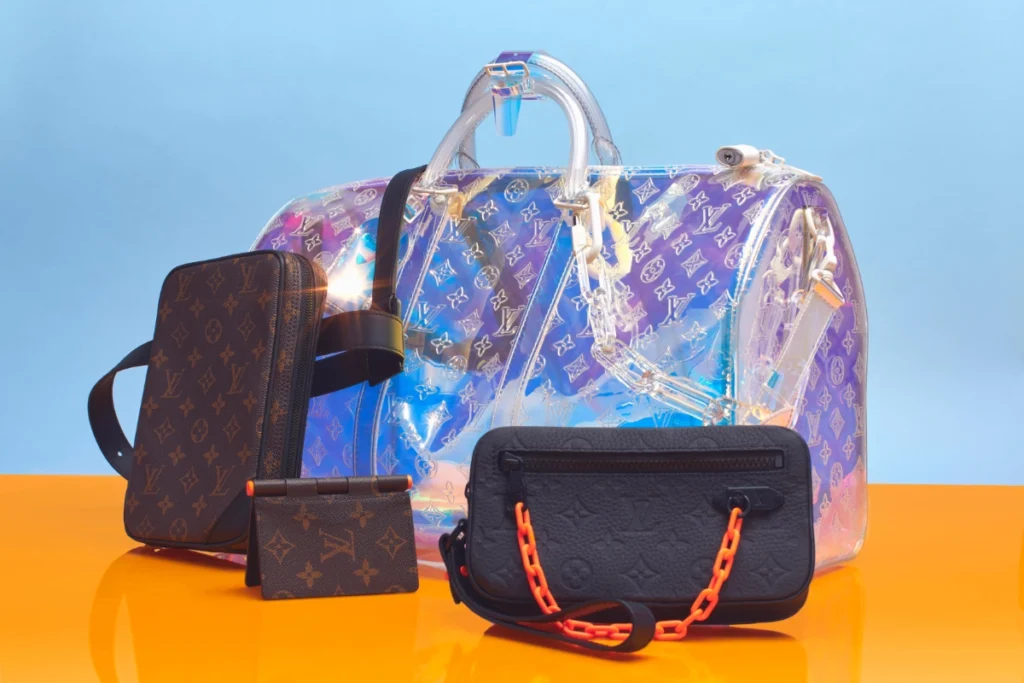
These collaborations helped position Louis Vuitton not just as a luxury brand, but as a cultural force shaping 21st-century fashion.
Why Le Monogram Still Matters After 130 Years
Le Monogram has survived wars, fashion revolutions, and the digital age. Its enduring power lies in:
– a strong and consistent brand identity
– instant global recognition
– the ability to adapt without losing its core DNA
– a seamless blend of craftsmanship, heritage, and modern design
LV’s Le Monogram is more than a pattern. It is a visual language of luxury, deeply embedded in fashion history.
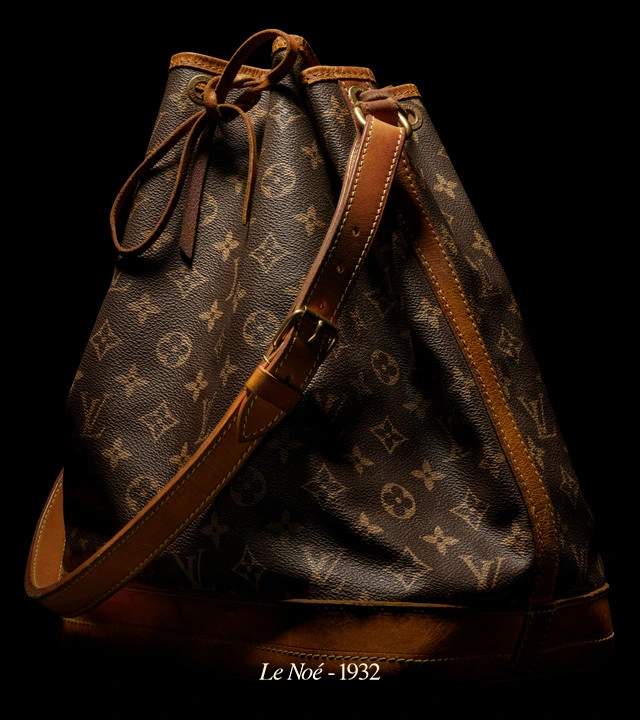
A Symbol of Heritage – and the Future
As it marks its 130th anniversary in 2026, Le Monogram stands as proof that true luxury is not driven by trends, but by continuity, storytelling, and the courage to evolve. From a functional travel motif to a global cultural icon, Louis Vuitton’s monogram continues to speak to new generations – without ever losing its essence.