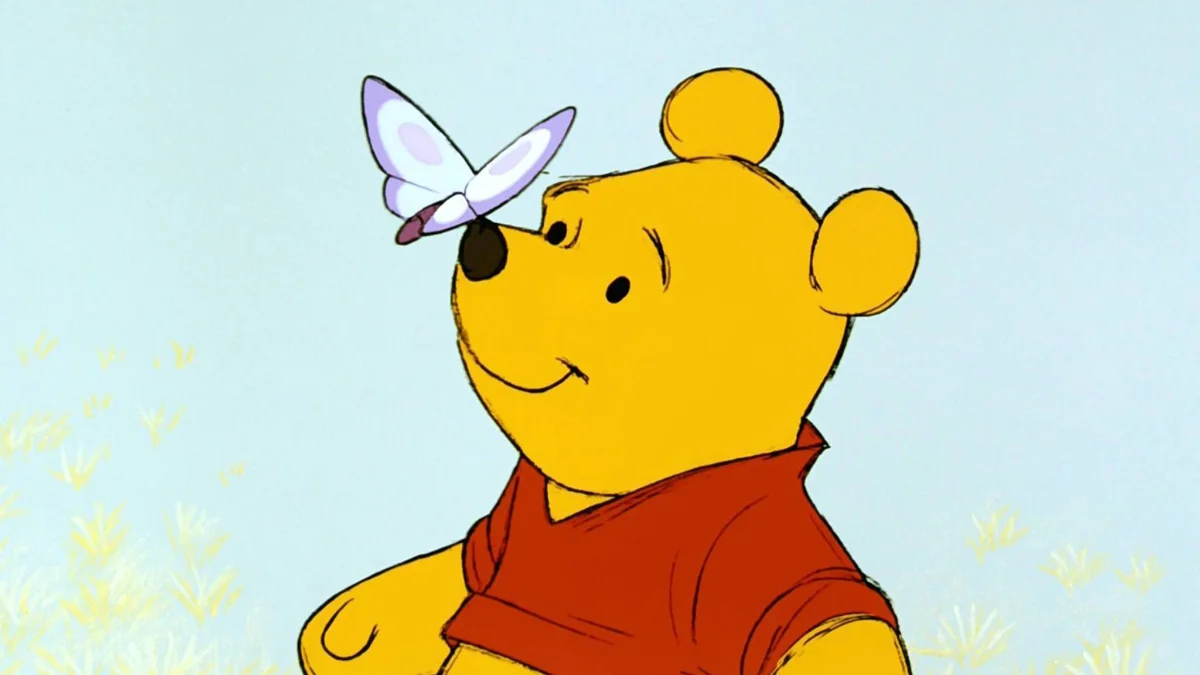
Winnie the Pooh has been charming readers for a century. The honey-loving bear, his friends in the Hundred Acre Wood, and their gentle adventures have become part of childhood for generations around the world.
But long before Disney introduced Pooh to movie audiences, he began as a simple stuffed animal belonging to a young boy in England. His name was inspired by a real bear, his forest had a real-world counterpart, and his original illustrations looked quite different from the familiar yellow character in a red shirt.
As Winnie the Pooh celebrates the 100th anniversary of his first book in 2026, his remarkable history is worth revisiting.
How Winnie the Pooh Was Created
The story began in 1921 when British author A. A. Milne and his wife Daphne gave their son, Christopher Robin, a teddy bear for his first birthday.
Purchased from London’s Harrods department store, the bear was originally named Edward. Along with Christopher Robin’s other stuffed animals, he soon became part of the imaginative world that inspired his father’s writing.
Milne introduced an early version of the bear in a 1924 poem titled Teddy Bear, published in the British humor magazine Punch.
On Christmas Eve in 1925, the London Evening News published a story featuring Winnie-the-Pooh. Less than a year later, on October 14, 1926, the first Winnie-the-Pooh book arrived in bookstores, illustrated by E. H. Shepard.
The collection quickly found an enthusiastic audience. Its American publisher, E. P. Dutton, later reported that the book had sold more than 150,000 copies by the end of 1926.
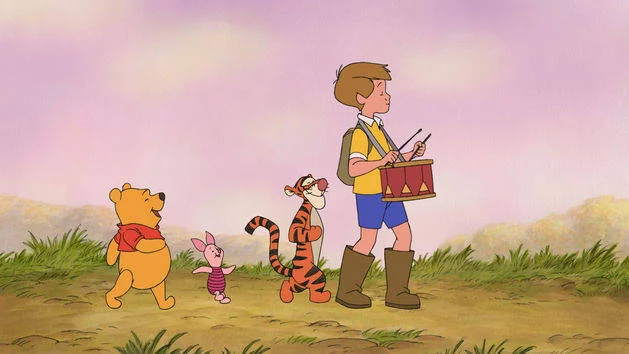
Milne continued the adventures in The House at Pooh Corner in 1928, which brought Tigger into the familiar group of woodland friends.
The Real Bear Behind Winnie the Pooh’s Name
One of the most surprising details about Winnie the Pooh is that his name came from a real animal.
In 1914, Canadian soldier and veterinarian Harry Colebourn purchased a female black bear cub while traveling through Ontario. He named her Winnie after Winnipeg, the Canadian city where he lived.
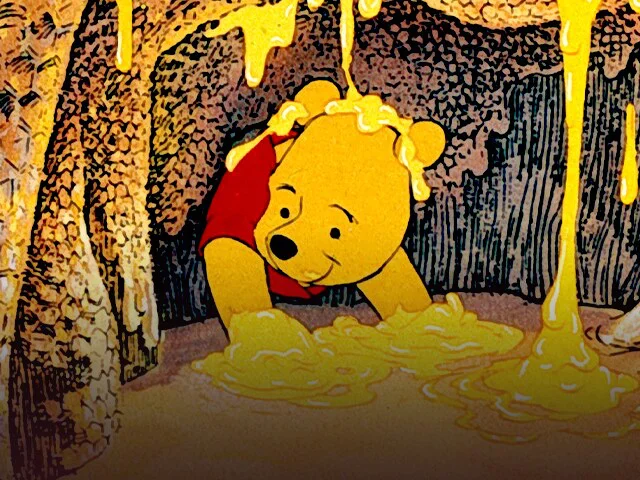
Winnie traveled with Colebourn to England during World War I. When his military unit was sent to France, he left her in the care of London Zoo. The bear became a favorite among visitors, including young Christopher Robin Milne, who was so fond of Winnie that he renamed his own teddy bear after her.
The second half of the name, Pooh, came from a swan Christopher Robin had named.
Together, the two names created Winnie-the-Pooh, a character whose origins connected a Canadian bear, an English childhood, and a little literary imagination.
The Hundred Acre Wood Was Inspired by a Real Forest
The peaceful setting of Pooh’s adventures was inspired by Ashdown Forest in East Sussex, England, near the Milne family’s country home.
Milne explored the area with Christopher Robin, and its woodland paths, bridges, and clearings helped shape the fictional Hundred Acre Wood.
Many of the characters were also based on the boy’s actual toys, including Piglet, Eeyore, Kanga, and Tigger. Owl and Rabbit, however, were created through Milne’s imagination.
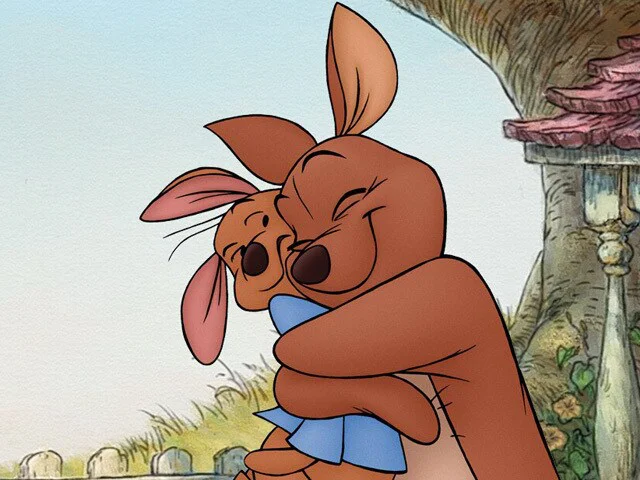
Illustrator E. H. Shepard played an equally important role in bringing the stories to life. Interestingly, his drawings of Pooh were inspired largely by Growler, a teddy bear owned by Shepard’s son Graham, rather than Christopher Robin’s original toy.
Shepard’s delicate illustrations, expressive characters, and woodland landscapes helped establish the distinctive world of the books long before animation transformed Pooh into a screen star.
How Disney Turned Winnie the Pooh Into a Pop Culture Icon
Although Winnie the Pooh was already a literary success, Disney played a major role in bringing him to American movie audiences.
Walt Disney acquired film rights to Milne’s stories in 1961 and introduced the character in the animated short Winnie the Pooh and the Honey Tree, released on February 4, 1966. Sterling Holloway provided Pooh’s voice, while the Sherman Brothers contributed the music.
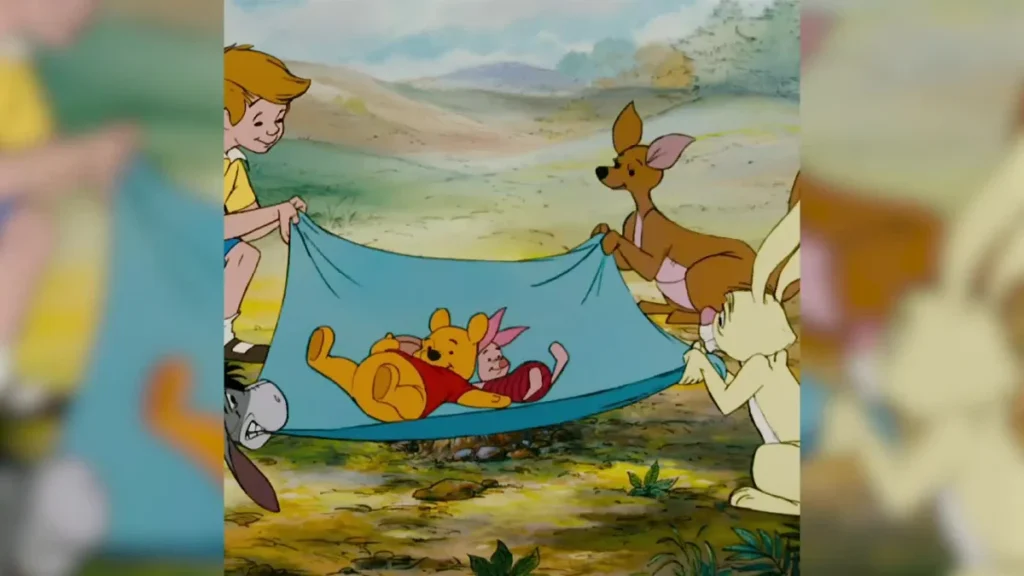
More animated adventures followed, including Winnie the Pooh and the Blustery Day in 1968 and Winnie the Pooh and Tigger Too in 1974. These three shorts were later combined into the 1977 feature film The Many Adventures of Winnie the Pooh.
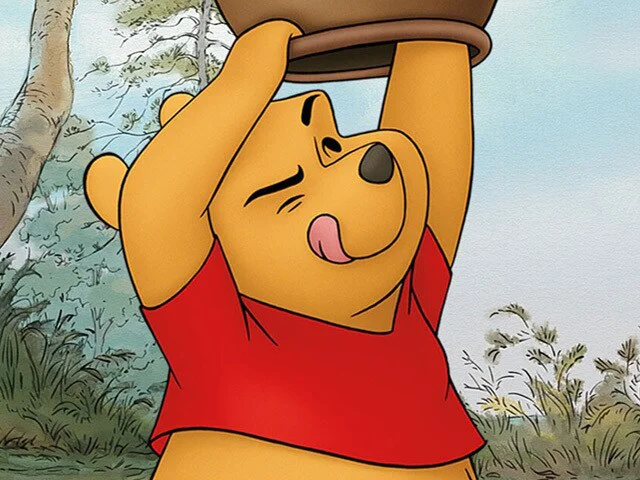
Through movies, television, books, theme park attractions, and merchandise, the yellow bear in his recognizable red shirt became a familiar presence in American popular culture.
Yet even as his appearance evolved, Pooh retained much of the gentle personality that made Milne’s original stories so appealing.
Where Are the Original Winnie the Pooh Toys Today?
Fans visiting New York City can see an extraordinary piece of Winnie the Pooh history. The original stuffed toys that belonged to Christopher Robin Milne are preserved at the New York Public Library.
Pooh, Piglet, Eeyore, Kanga, and Tigger have been part of the library’s collection since 1987. They were brought to the United States in 1947 and spent decades with Milne’s American publisher before becoming part of the library’s permanent collection.
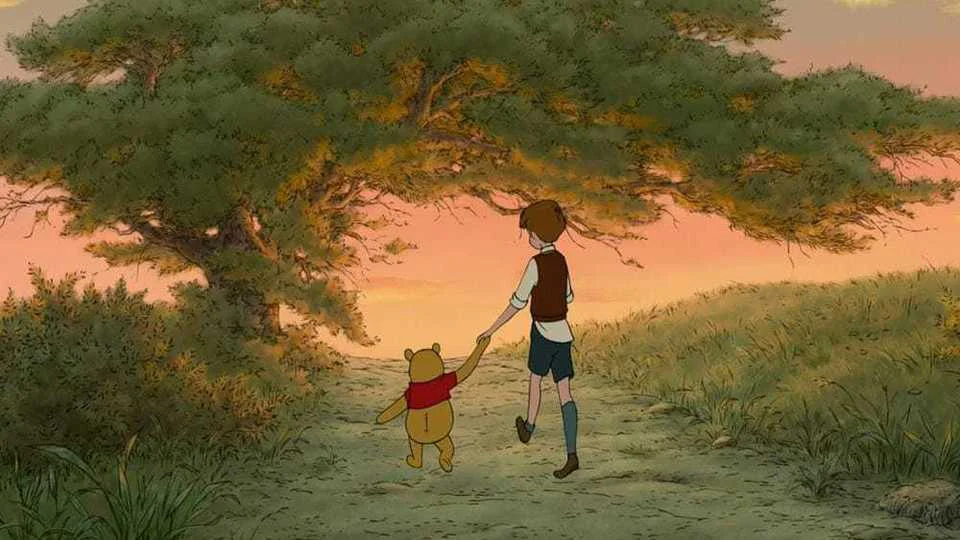
These modest, well-loved toys offer a fascinating contrast to the enormous entertainment franchise they helped inspire. They also serve as a reminder that Winnie the Pooh’s story began not in an animation studio, but in a child’s nursery.
Why Winnie the Pooh Still Matters After 100 Years
Pooh’s lasting appeal has less to do with spectacular adventures than with the small moments that define his stories.
He enjoys honey, values his friends, makes mistakes, and rarely seems concerned with being particularly clever. His companions are equally recognizable. Piglet worries, Eeyore tends toward pessimism, and Tigger approaches almost everything with boundless enthusiasm.
These different personalities create gentle humor while exploring familiar feelings and relationships.
For children, Pooh’s world offers colorful characters and playful adventures. For adults, the same stories can offer nostalgia, comfort, and a reminder of the importance of friendship. That emotional simplicity is arguably the greatest reason Winnie the Pooh has remained relevant across generations.
Celebrating 100 Years of Winnie the Pooh in 2026
October 14, 2026, marked exactly 100 years since the publication of A. A. Milne’s first Winnie-the-Pooh book.
Disney has commemorated the anniversary with new publishing projects, themed merchandise, and special content, while the New York Public Library and Penguin Random House have also celebrated the original stories and their extraordinary legacy.
A century after Pooh first appeared in his own book, his adventures continue to connect readers and audiences across different generations.
And while the world around him has changed dramatically, the little bear from the Hundred Acre Wood remains remarkably familiar: curious, kindhearted, occasionally confused, and always happiest in the company of friends.
Sources: Royal Literary Fund, London Zoo, The Conservators of Ashdown Forest, High Museum of Art, NYPL Kids, D23, D23, The Walt Disney Company, Smithsonian Institution.
More pop culture:
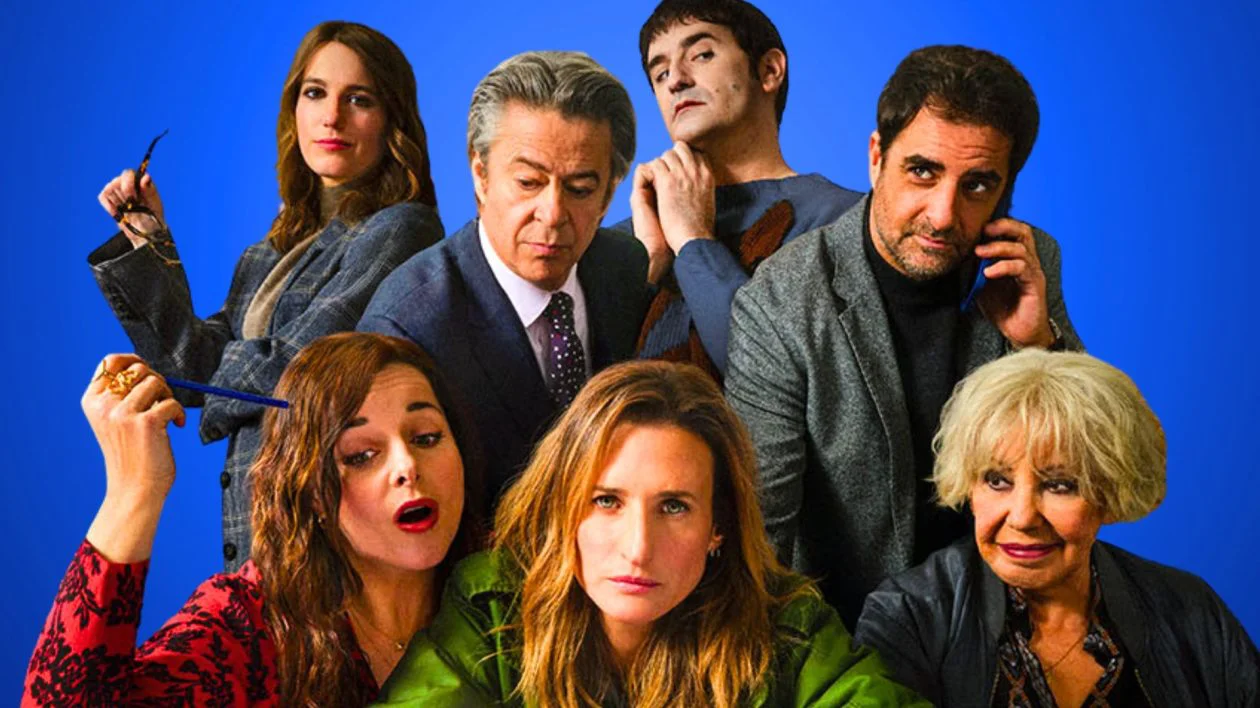
Call My Agent! The Movie: The Beloved Talent Agents Return on Netflix
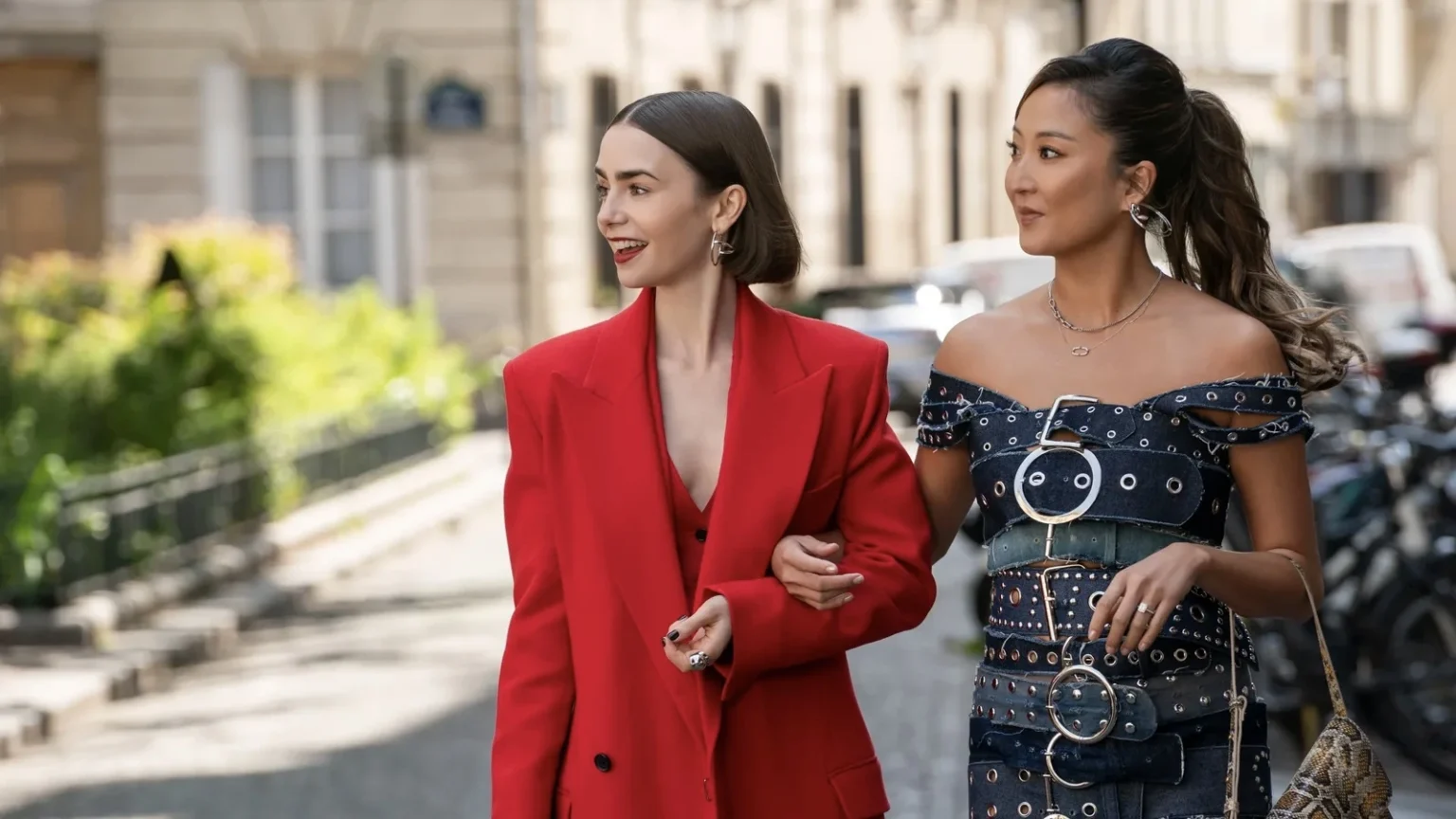
Emily in Paris: Season 5 Is Now Streaming on Netflix

Project Hail Mary Is Now on Prime Video: Why Ryan Gosling's Sci-Fi Hit Won Over the World

You're Killing Me on Acorn TV: Brooke Shields Is Back – Funnier and Sharper Than Ever

Practical Magic 2: The Owens Sisters are Back! Everything We Know About the Sequel